Written by Spencer Prior
Australia’s transmission and distribution sector has moved into a sustained period of investment. Grid modernisation, renewable energy zones and new generation projects all need experienced technical and delivery talent at the same time.
Here’s the problem underneath that demand: a meaningful share of the people who can actually do this work are already employed on projects of their own, with no particular reason to be scanning job boards. A vacancy reaches whoever’s actively looking. It rarely reaches the person you most want.
That single fact changes what T&D recruitment needs to be. Here’s why, what the 2026 data tells us, and what we’d change about how HR & hiring managers approach it.
Why an Active-Candidate Strategy Doesn’t Work for T&D Recruitment
Building a transmission line isn’t just any linear construction project, like a road or rail project. Understanding transmission program, schedule and cost takes years to build, not weeks. That kind of knowledge, along with HV infrastructure experience and utility exposure, can’t be substituted with something adjacent when someone leaves.
Add project timelines that run into years rather than months, and a slow or generic hiring process doesn’t just take longer, it fails to reach the candidates who matter most. Waiting for applications works when the talent pool is job hunting. Most of this one isn’t.
TNSP vs EPC: Competing for the Same Talent With a Different Career, Not a Different Job
A senior transmission professional weighing up a move isn’t just comparing salaries. They’re comparing two different versions of a career.
A TNSP or utility environment can offer long-term technical ownership, governance and a defined progression path. An EPC or delivery contractor can offer major project exposure, site allowances and the pull of building something physical, right now.
Neither proposition is better. The risk is treating T&D hiring as one market with one pitch, when the same engineer, say a Project Engineer, might be approached by both sides of that trade-off in the same month. A generic value proposition gives a passive candidate no reason to move for either version of the career.
What the 2026 T&D Salary Data Actually Tells Hiring Managers
Most hiring managers can sense that transmission salaries have moved this year without knowing by how much, and that gap is exactly where a search starts to fail quietly. An offer built against last year’s numbers doesn’t just risk losing on price, it risks never being taken seriously enough to get a conversation started.
Our 2026 benchmarking has Principal Engineers now commonly clearing $230,000 to $260,000 base. Most T&D professionals saw increases in the 5-10% range this year, roughly double the 0-5% most of the broader market experienced (see the full 2026 Transmission & Distribution salary guide for the complete breakdown by role).
Once someone’s already employed, that number becomes the entry point to a conversation, not the reason they say yes. Project quality, flexibility and pipeline of work tend to decide it from there.
Three Changes That Actually Improve T&D Hiring Outcomes
- Shorten the gap between finding someone and making them an offer. Passive candidates aren’t waiting in a queue. A drawn-out approval chain or an ambiguous second, and sometimes third, interview often costs an otherwise strong process its preferred candidate. Several months is realistic for a specialised senior search, budget for that rather than being caught out by it, but know who needs to sign off and how fast an offer can move before the search starts, not partway through it, so internal delay isn’t stacking on top of a timeline that’s already tight.
- Lead with the project, not the job title. “Senior Transmission Engineer” doesn’t explain why someone should leave a role they weren’t looking to leave. What’s actually being built, where it sits in its lifecycle, and what they’d genuinely own gives a passive candidate something worth a conversation.
- Build the pitch around the person you actually need. A Project Director with EPC delivery experience and a Principal Engineer who’s spent a career inside a utility aren’t moved by the same pitch. Start from the capability the project needs, then work out who has it and what would actually get them to listen.
What Specialist T&D Knowledge Actually Changes in a Search
Job titles hide real differences in this market. “Electrical Engineer” can mean utility-scale transmission exposure, or something with almost no crossover into it. Design capability isn’t the same as delivery capability. Experience with one HV infrastructure type can be highly relevant to one project and close to irrelevant on the next.
Those distinctions matter more when the candidate pool is small, because a misjudged CV costs weeks, not days. Knowing which experience genuinely transfers, and which gaps turn into real problems six months into a project, is what specialist sourcing actually changes, not simply having more names on file.
The Bottom Line for T&D Hiring Managers
None of this gets solved by a better job ad. If the people you need are already employed, the job is to find them, give them a specific reason to move, and remove anything in your process that slows a decision down once they’re interested.
In practice, that’s three things: a current benchmark, a project pitch or pipeline specific enough to earn a conversation, and a process fast enough not to lose the person it was built to attract.
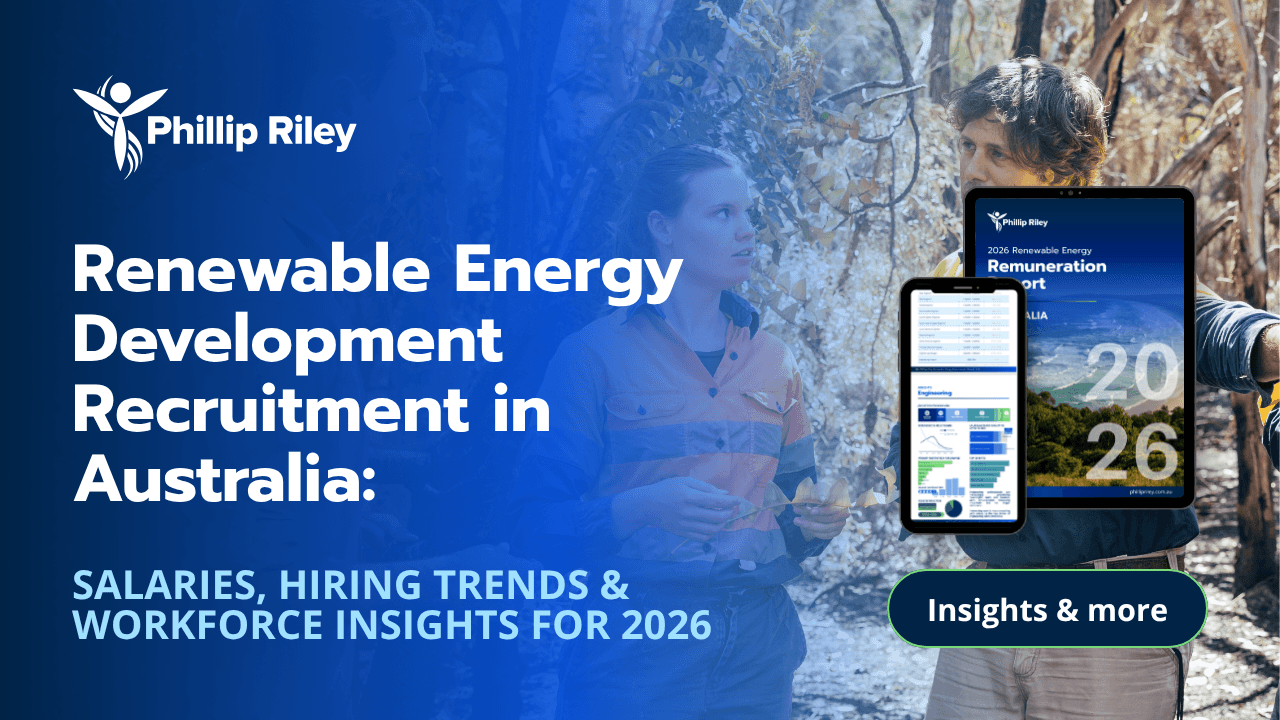
If you’re hiring into transmission or distribution right now, talk to our specialist team about your role, or explore the full 2026 Remuneration Report for the wider benchmarking picture.